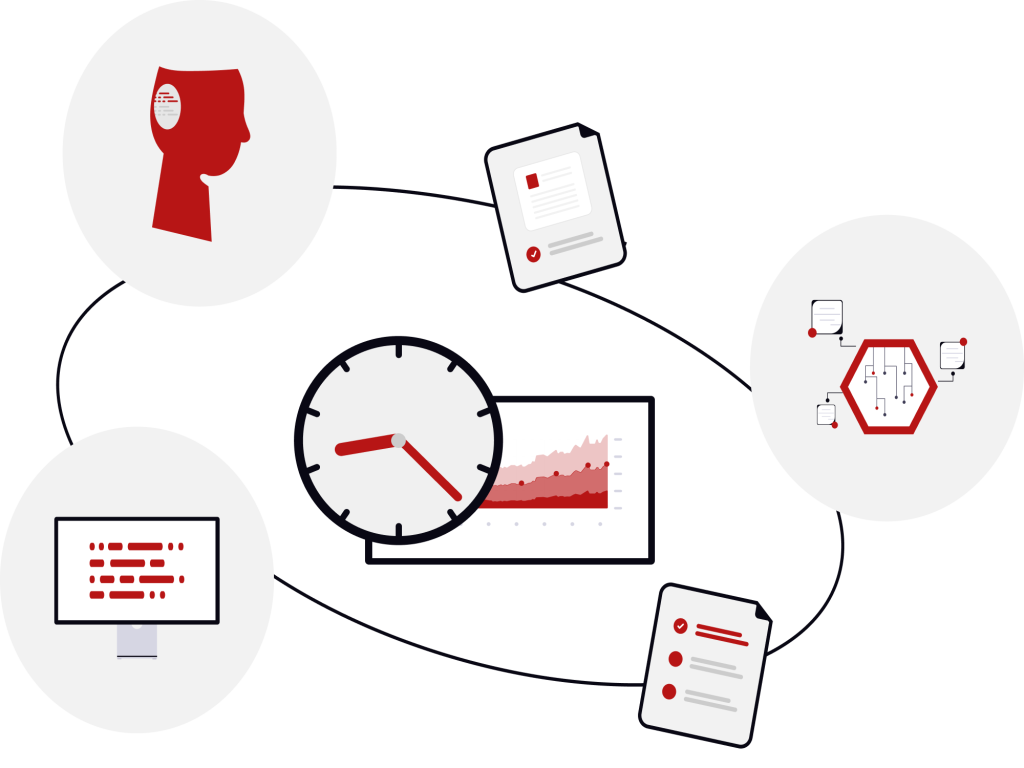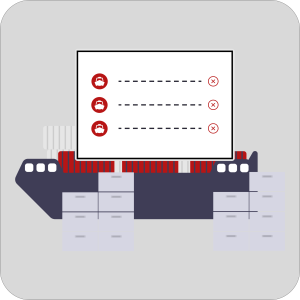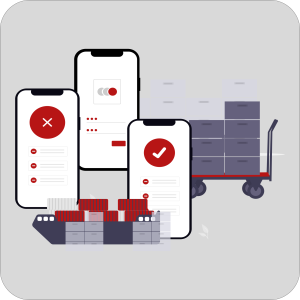
Traditional port and industrial park logistics suffer from a systemic lack of dynamic operational coordination. While many port perimeters attempt to bridge these communication gaps using Port Community Systems (PCS), these platforms function purely as middlemen to facilitate data exchange between independent entities. A PCS can improve communication speed, but it does not solve physical, on-site operational bottlenecks.
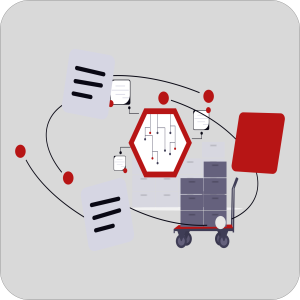
Most stakeholders within modern ports and industrial hubs are already highly digitized, but they act independently and reactively—processing inputs and requests in a predefined, static manner. Because their systems are not integrated, they cannot dynamically adapt to changing traffic, cargo, or spatial constraints in real time.